
More about: 10 Things to Do in Lisbon in the winter
Although temperatures are somewhat milder than in other latitudes, the Portuguese capital experiences winter with significantly fewer visitors than in high season. For those who prefer to visit Lisbon's attractions at a more leisurely pace, this is the perfect time of year, especially considering the many things there are to do: street markets, Christmas markets, carnival, half marathon and a charming winter atmosphere full of lights, colours and pleasant aromas.
1. Discover the Christmas Markets in Lisbon
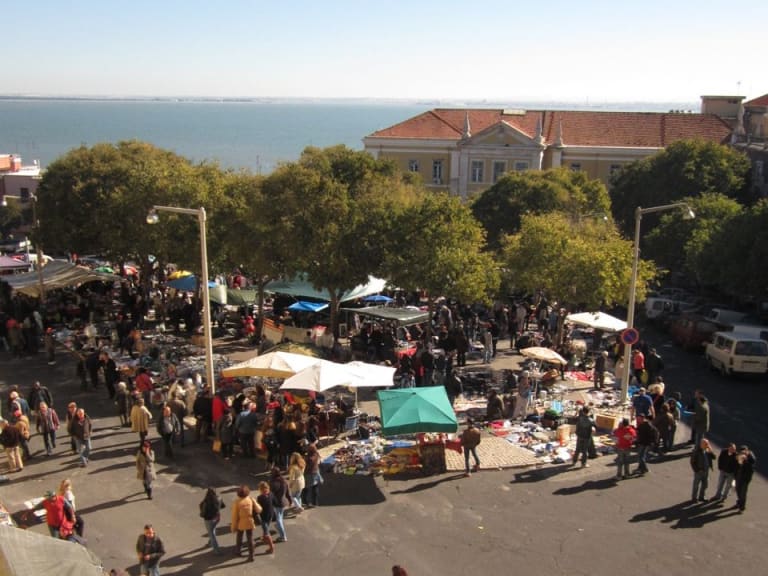
As you can read in more detail in my article on Lisbon at Christmas, several markets are set up in the Portuguese capital that will delight young and old alike:
- Christmas Market in Campo Pequeno Square: the stalls set up in this former bullring offer all kinds of products, from food to crafts, all of which are locally made.
- Lisbon Wonderland Christmas Market: every year, Eduardo VII Park hosts this unique Christmas market, whose attractions (Ferris wheel, carousels, ice rink and Christmas village) make it perfect if you are visiting Lisbon with children.
- Alvalade Christmas Market: this is undoubtedly one of the favourites among Lisbon residents. Its wooden huts offer food, Christmas decorations and crafts. You can also visit Santa Claus's house.
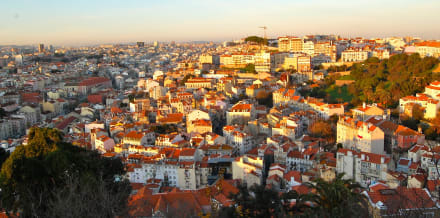
- Santa Catalina Viewpoint Christmas Market: although not very large, it is one of the most attractive markets, as it is located at one of the most spectacular viewpoints in the city.
2. Take part in the Lisbon Carnival without embarrassment
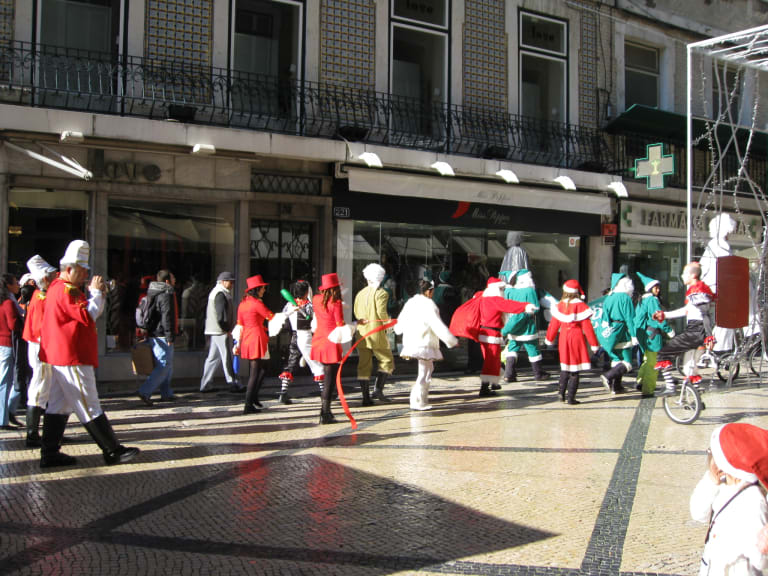
It must be said that Lisbon Carnival does not enjoy the same recognition as carnivals in other European cities. However, many claim that it is not only one of the oldest in Europe, but also the origin of the famous Rio carnivals. The lively atmosphere in the streets of Lisbon makes it well worth joining in the festivities, and booking a tour of Lisbon can be an excellent way to do so.
If you are in Lisbon in February, the month when Carnival is celebrated (the dates are not fixed), you should take part in the so-called Villains' Carnival. In addition, many of the city's neighbourhoods organise their own parties. Children in particular dress up in costumes, although some adults also follow this custom.
Of course, enjoying the carnival is also one of the best things to do in Lisbon at night. Practically all nightlife venues organise their own activities for locals and visitors to enjoy.
3. Cheer on the runners in the Lisbon Half Marathon
If you are in Lisbon in March, you can join a race that once held the world record for number of participants. It is also a unique opportunity to cross the 25 de Abril Bridge on foot and enjoy unprecedented views of the entire Portuguese capital.
In fact, two different races are held on that day:
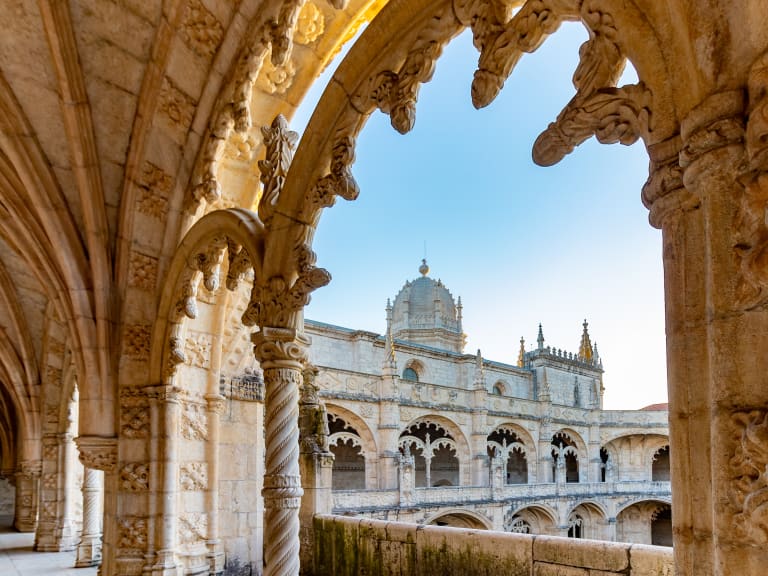
- The first, more official one is the Lisbon Half Marathon, in which the world's best athletes participate. This race starts at Largo da Portagem and ends next to the Jerónimos Monastery, which you will know if you have taken any route through the Belém neighbourhood.
- The other race, open to all enthusiasts, is the Mini-Marathon. This is a 7,200-metre race and, rather than a competition, it is more of a social event.
Of course, there are plenty of fun activities during the day of the race.
4. Escape the cold in Lisbon's cafés

Lisbon's cafés and pastry shops are a real institution in the city. Although they are obviously open all year round, few things feel better than popping in to shelter from the cold or rain on a winter's afternoon while you enjoy a great cup of coffee and a sweet treat.
You can't leave the city without trying one of the country's most typical pastries, and if it's freshly made and still slightly warm, the experience will be even better. Pastéis de Belém are ubiquitous in all cafés, such as Café Nicola in Rossio and A Brasileira, perhaps the most famous in the whole city.
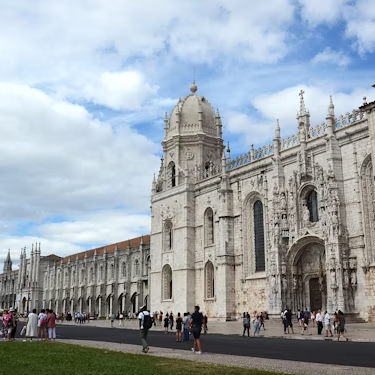
However, few can compare to the one made at Pasteis de Belém, next to the Jerónimos Monastery. Fancy a plan that combines culture with gastronomy? Visit the Jerónimos Monastery and, when you leave, treat yourself to some pastéis de Belém.
5. Enjoy winter cuisine in Lisbon

Sampling Portuguese cuisine, in this case in Lisbon, is one of the best experiences any traveller can have. In winter, you'll also find some seasonal dishes that will leave you wanting more:
- Caldeirada: this dish is made with fish, seafood or cod, along with potatoes, tomatoes, peppers, garlic and onions in a white wine broth.
- Cocido à portuguesa: this winter stew includes meat, potatoes, various vegetables and legumes. Ideal for forgetting about the cold for a few hours.
- Caldo verde: its ingredients include chorizo, potatoes, cabbage, onion and beans, and it is considered one of the best soups to have in winter.
- Feijoada: beans with carrots are the basis of this dish, which is usually accompanied by bacon, white rice and chorizo. Quite hearty and appropriate for winter.
- Chestnuts: if you travel to Lisbon in December or the following months, you will find stalls selling roasted chestnuts on many of the city's street corners.
- ** Ginjinha liqueur**: one of the most traditional drinks in Lisbon in winter. Traditionally, it was thought to be a great remedy for the colds typical of the winter season.
You can also book a table with a set menu at the Hard Rock Cafe in Lisbon to enjoy lunch or dinner with drinks included and live music.
6. Take a trip to Sintra and Cabo da Roca
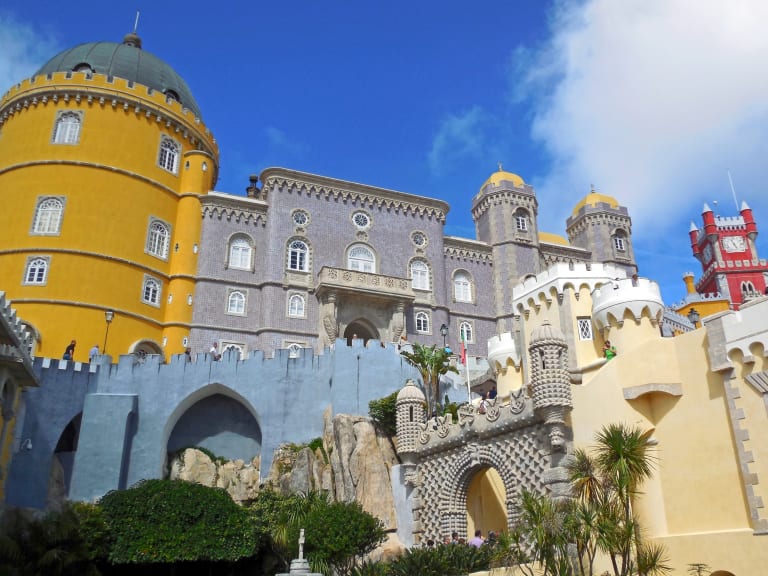
In winter, booking an excursion to Sintra and Cabo da Roca from Lisbon has the advantage that you won't encounter crowds, not to mention the beauty of the forests and gardens in the winter light, which gives them an even more mysterious atmosphere than in other seasons.
As I mention in my article on how to get to Sintra from Lisbon, you'll be spoilt for choice. Whichever one you choose, however, I recommend that you don't miss the main attractions of Sintra:
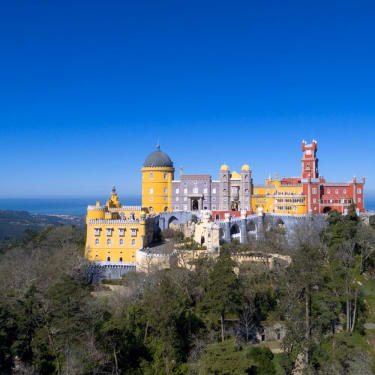
- The Pena Palace.
- The Quinta da Regaleira.
- The Castelo dos Mouros.
- The Convento dos Capuchos.
- The palace and Quinta gardens.
Make sure your tour includes a stop at Cabo da Roca. Here you can enjoy magnificent views of the Atlantic, whose force crashing against the cliffs is even more spectacular at this time of year.
7. Experience Chinese New Year in the heart of Lisbon

The Chinese New Year celebration in Lisbon has only been taking place for a few years, but it is becoming increasingly popular in the city. The event, with all its colour and beauty, is highly recommended if you are in the Portuguese capital when it is held (there is no fixed date, but it is usually in late January or early February).
One of the main events of this celebration is a large parade that runs along Avenida Almirante Reis, a thoroughfare that crosses a district where the city's largest Chinese community has settled. Hundreds of people dressed in traditional clothing parade along this avenue, performing martial arts demonstrations and traditional dances.
In addition to the parade, several stalls are set up in a square selling Chinese food, crafts and clothing. When night falls, a large party is held in a nearby park. Hundreds of people usually attend to enjoy various traditional Chinese performances, including a spectacular dragon and lion dance.
8. Avoid the rain with a tram ride

Few images are more representative of Lisbon than its trams, so booking the Lisbon tourist tram
will allow you to take a short sightseeing tour, which will also keep you safe from the rain and cold in winter.
Trams, whether modern or old, are now a tourist attraction in their own right. Without a doubt, the most popular with visitors is line 28, which I recommend you use to explore part of the city. Not only will you avoid the bad weather, but it will also help you learn how to get around the streets and then walk back.
This line goes up the hills to visit the neighbourhoods of Graça, Baixa and Estrela and passes close to important sites such as St. George's Castle, the Sé Cathedral, Bairro Alto and Chiado. My advice is to end the tour at the Graça viewpoint, one of the most spectacular in Lisbon. If you've walked around Alfama, you may already be familiar with it, but whether you have or not, the views will captivate you.
9. Protect yourself from the cold by visiting Lisbon's most interesting museums
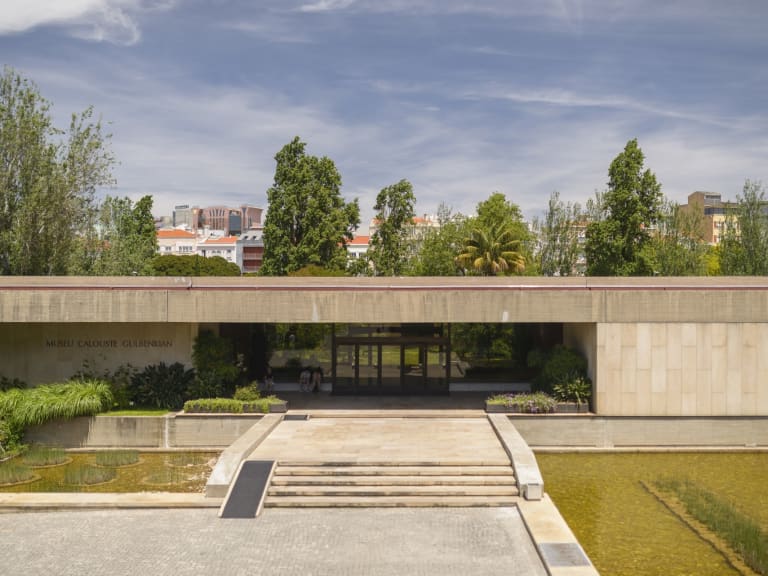
Although Lisbon's winter climate is not too cold, rain does tend to make an appearance on many occasions. My advice is to plan your trip with this in mind and visit some of the city's most interesting museums.
The beauty of Lisbon's streets often means that its museums are overlooked. However, some of them are well worth a leisurely visit.
Book tickets for the Royal Treasury Museum: the National Palace of Ajud houses the most impressive collection of jewellery in Portugal.
- National Tile Museum: a visit here provides a comprehensive overview of one of Portugal's most typical and ubiquitous objects, tiles.
- Oceanarium: Europe's largest indoor aquarium is a true work of art and simulates a floating harbour. It is located in the Park of Nations.
- Fado Museum: if you have enjoyed a dinner with a fado show, you will already know something about this musical genre. In this museum, you will learn about its history, characteristics and who its main exponents are.
10. Take advantage of the sales

The Christmas season, with its illuminations in the streets of the city centre, is usually associated with shopping. However, if you visit Lisbon in January, you will have the opportunity to take advantage of the sales that begin as soon as the festivities are over.
The best places to find incredible bargains are on Avenida da Liberdade, as this is where many luxury fashion shops are located, with greatly reduced prices during the sales.
Another interesting area if you want to find some bargains is the Chiado neighbourhood, one of the most traditional in central Lisbon. The best thing to do is to lose yourself in its streets and pop into any shops that catch your eye, stopping off for a drink in its wonderful cafés.
Weather in Lisbon in winter
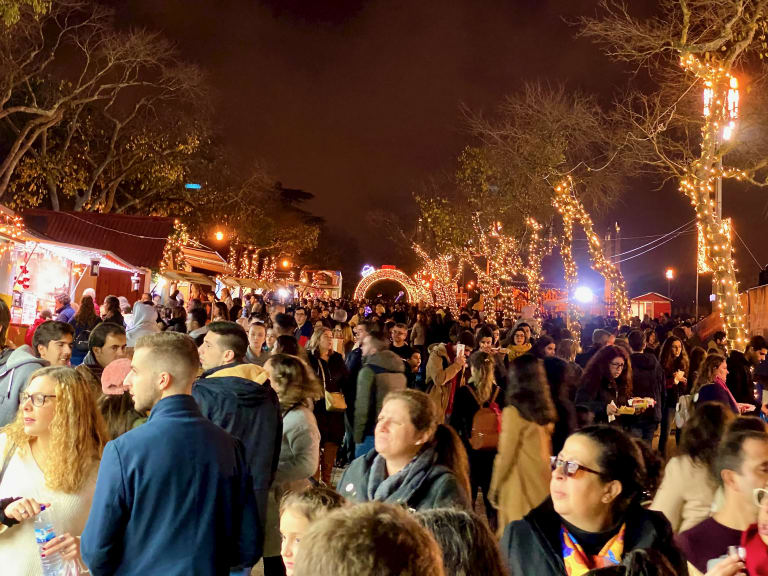
Winter is considered the low season in Lisbon, which has a significant impact on tourist numbers, with the exception of the end of the year and carnival.
The maximum temperature in December does not usually exceed 15ºC, while the minimum is around 9ºC. On the other hand, in this month it gets dark at around 5:15 p.m. (remember that Portugal is one hour behind the United Kingdom).
January is the coldest month of the year, although the cold is not too intense, with maximum temperatures of 15ºC and average minimum temperatures of around 7ºC. There is little difference in temperature in February compared to the previous month. The averages show only a one-degree difference above those of January.
What to pack for a trip to Lisbon in winter

More than the cold, what you should take into account when travelling to Lisbon in winter is the rain. For this reason, you should always pack an umbrella and a good raincoat.
If possible, also take some waterproof shoes with rubber soles, but always keep in mind that they should be comfortable so that you don't suffer during long walks on the hills of Lisbon.
Don't forget a good coat, especially if you plan to go out at night. As for scarves and gloves, it all depends on how sensitive you are to the cold.